AI and Creativity: New Frontiers
Discover how artificial intelligence is revolutionizing the world of creativity, from art to music and writing. A journey into innovation.
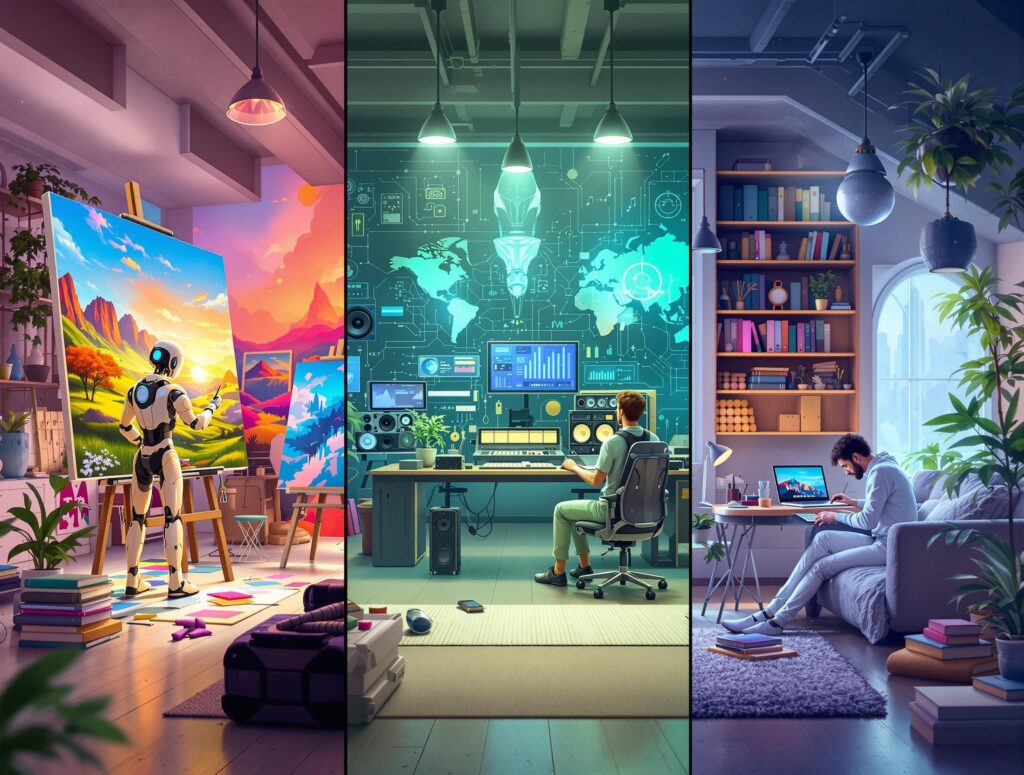
Artificial Intelligence (AI) is revolutionizing the world of creativity, transforming fields like art, music, and writing. With its innovative capabilities, AI offers new possibilities for artists, musicians, and writers, paving the way for a future full of opportunities. In this article, we will explore how AI is influencing creativity and what the benefits, challenges, and applications of this technology are.
Introduction
Artificial Intelligence is no longer just a futuristic fantasy; it is a tangible reality transforming the world of creativity. From automatically generated artworks to musical compositions created by algorithms, AI is opening new frontiers and expanding the boundaries of human creativity.
AI Revolutionizes the Art World
AI is transforming the art world in surprising ways. Thanks to platforms like DALL-E and Midjourney, artists can create unique works through simple textual prompts. These technologies not only facilitate the creative process but also allow the exploration of new forms of artistic expression.
Examples of AI in Art
- Artwork Generation: Platforms like DALL-E and Midjourney enable artists to create unique and personalized artworks through simple textual descriptions.
- Analysis and Restoration: AI can analyze and restore damaged artworks, preserving cultural heritage and bringing past masterpieces back to life.
- Interactive Installations: AI can create interactive art installations that respond in real-time to viewer inputs, offering immersive and engaging experiences.
AI in Music Composition
AI is also making significant strides in the music world. Tools like Jukedeck and Amper Music can compose new melodies and soundtracks, offering musicians new creative possibilities. AI can also optimize the mixing and mastering of audio tracks, improving sound quality and enabling the creation of more refined and complex compositions.
Examples of AI in Music
- Automatic Composition: Tools like Jukedeck and Amper Music can compose new melodies and soundtracks, unlocking musicians’ creative potential.
- Mixing and Mastering: AI can optimize the mixing and mastering of audio tracks, improving sound quality and enabling the creation of more refined compositions.
- Personalization: AI can create personalized playlists and recommend new music based on user preferences, offering a tailored listening experience.
AI and Creative Writing
Creative writing is not immune to AI’s allure. Models like GPT-3 can generate articles, stories, and poems, helping writers overcome writer’s block and explore new narrative ideas. Additionally, AI can translate and localize content into different languages, expanding the potential audience and improving online visibility.
Examples of AI in Writing
- Content Generation: Models like GPT-3 can create articles, stories, and poems, offering new creative opportunities for writers.
- Translation and Localization: AI can translate and localize content into different languages, expanding the potential audience and improving online visibility.
- SEO Optimization: AI can optimize content for search engines, improving online visibility and attracting qualified traffic.
Other Creative Applications of AI
AI is finding creative applications in other sectors as well, such as fashion design, architecture, and cinema. With its innovative capabilities, AI is opening new frontiers and offering new possibilities for artists and creatives of all kinds.
Examples of Other Creative Applications
- Fashion Design: AI can create new fashion designs tailored to each customer and based on the latest trends.
- Architecture: AI can design innovative and sustainable buildings, optimizing resource use and improving energy efficiency.
- Cinema and Video: AI can create special effects and animations, enhancing the quality of films and videos and offering new creative possibilities for directors.
Benefits of AI in Creativity
AI offers numerous benefits for creatives. Beyond facilitating the creative process, AI allows the exploration of new forms of expression and improves the quality of the produced works. Additionally, AI can optimize content for search engines, improving online visibility and attracting qualified traffic.
Main Benefits
- Efficiency: AI can automate repetitive and routine tasks, freeing creatives to focus on more strategic and creative activities.
- Innovation: AI enables the exploration of new forms of expression and experimentation with new techniques, paving the way for a future rich in opportunities.
- Personalization: AI can create personalized content, offering a tailored experience for each user and improving audience satisfaction.
Challenges of Creative AI
Despite its many benefits, the adoption of AI in creativity also presents challenges. One of the main concerns is the replacement of human jobs with machines. Additionally, there are ethical issues related to intellectual property and the responsibility for decisions made by AI.
Main Challenges
- Job Replacement: Automation can lead to the replacement of some jobs, especially those involving repetitive and routine tasks.
- Intellectual Property: The use of AI for content creation raises questions about intellectual property and the responsibility for decisions made by AI.
- Bias and Discrimination: AI algorithms can perpetuate or amplify biases present in the input data, leading to discriminatory outcomes.
The Future of AI in Creativity
The future of AI in creativity is filled with opportunities and challenges. With the continued advancement of technology, we can expect to see further innovations and creative applications that will transform how we create and interact with content. Investing in AI and training creatives will be crucial to fully harnessing the potential of this technology and preparing for the future of creativity.
Predictions for the Future
- New Forms of Expression: AI will continue to offer new possibilities for artistic expression, paving the way for a future rich in innovation.
- Human-Machine Collaboration: The future of creativity will see greater collaboration between humans and machines, allowing the combination of the best of both intelligences.
- Ethics and Responsibility: Addressing ethical and regulatory challenges will be important to ensure responsible and sustainable use of AI in creativity.
Conclusion
AI is transforming the world of creativity, offering new opportunities and challenges for artists, musicians, writers, and creatives of all kinds. From art to music, from writing to architecture, AI is opening new frontiers and expanding the boundaries of human creativity. Investing in AI and training creatives will be crucial to fully harnessing the potential of this technology and preparing for the future of creativity.
If you are interested in exploring how AI can transform your creative sector, do not hesitate to contact us for a personalized consultation. Together, we can discover how this technology can take your creativity to new levels of innovation and efficiency.