Artificial Intelligence and Robotics: A Winning Combination
Meta Description:
Explore how AI and robotics are working together to create new technologies that are transforming our world.
Introduction
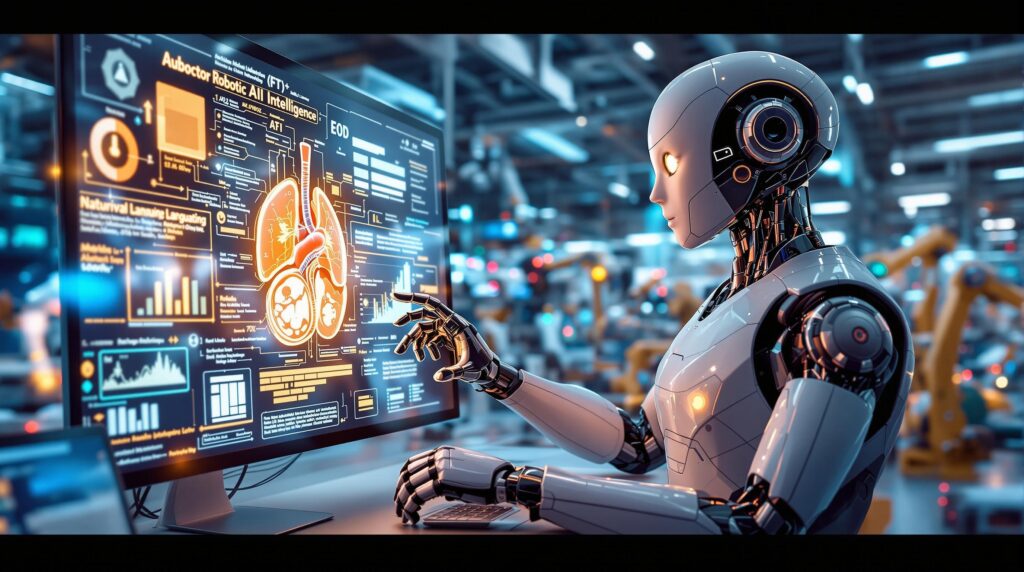
Artificial intelligence (AI) and robotics are two of the most revolutionary technologies of our time. Separately, both have already demonstrated their potential to transform industries such as healthcare, manufacturing, transportation, and education. However, it is when these two disciplines come together that a true technological revolution occurs. The combination of AI and robotics is giving rise to intelligent machines capable of learning, adapting, and interacting with the world in ways never seen before.
In this article, we will explore what artificial intelligence and robotics are, how they work together, their practical applications, the challenges they face, and the ethical considerations that arise from this synergy. Discover how these technologies are shaping the future and what opportunities they offer for businesses and individuals.
What is Robotics?
Robotics is a branch of engineering that deals with the design, construction, and use of robots. Robots are programmable machines capable of performing specific tasks, often replicating or enhancing human abilities. Robotics combines several disciplines, including mechanics, electronics, and computer science, to create autonomous or semi-autonomous systems.
Key Features of Robotics:
- Automation: Robots can perform repetitive tasks with precision and speed.
- Physical Interaction: Robots can manipulate physical objects and interact with their surroundings.
- Versatility: Robots can be designed for a wide range of applications, from industrial production to surgery.
Examples of Robots:
- Industrial Robots: Used in factories to assemble products, such as cars or electronic devices.
- Service Robots: Like vacuum robots or robots for package delivery.
- Humanoid Robots: Designed to interact with humans, such as assistant robots in healthcare.
What is Artificial Intelligence?
Artificial intelligence is a field of computer science that focuses on creating systems capable of simulating human intelligence. AI enables machines to learn from data, make decisions, and solve problems autonomously.
Key Features of AI:
- Machine Learning: AI algorithms can analyze large amounts of data to identify patterns and improve their performance over time.
- Natural Language Processing (NLP): AI can understand and respond to human language, as seen in chatbots or voice assistants.
- Computer Vision: AI can analyze images and videos to recognize objects, faces, or situations.
Examples of AI:
- Virtual Assistants: Like Siri, Alexa, and Google Assistant.
- Recommendation Systems: Used by platforms like Netflix and Amazon to suggest personalized content.
- Autonomous Vehicles: Cars that use AI to navigate and make real-time decisions.
The Synergy Between AI and Robotics
When artificial intelligence is integrated into robotics, robots become smarter, more adaptable, and capable of handling complex tasks. This synergy allows robots to learn from their environment, make autonomous decisions, and interact with humans more naturally.
How AI Enhances Robotics:
- Learning and Adaptation: AI-powered robots can learn new skills and adapt to unforeseen situations.
- Advanced Perception: With computer vision and intelligent sensors, robots can “see” and understand their environment.
- Human Interaction: AI enables robots to understand natural language and respond appropriately.
Examples of Synergy:
- Surgical Robots: Use AI to improve precision during complex procedures.
- Warehouse Robots: Like those used by Amazon, which leverage AI to optimize inventory management.
- Social Robots: Like Pepper, designed to interact with people in public spaces.
Practical Applications
The combination of AI and robotics is transforming numerous industries, offering innovative solutions and improving efficiency.
Key Sectors:
- Healthcare:
- AI-assisted surgical robots for minimally invasive procedures.
- Rehabilitation robots that adapt to patients’ needs.
- Remote monitoring systems for chronic patients.
- Industry:
- Intelligent industrial robots for production automation.
- Predictive maintenance powered by AI to reduce downtime.
- Optimization of logistics and supply chains.
- Agriculture:
- Agricultural robots for automated harvesting.
- AI systems to monitor crops and predict yields.
- Intelligent drones for irrigation and fertilizer distribution.
- Transportation:
- Autonomous vehicles for transporting goods and people.
- Robots for traffic management and infrastructure maintenance.
- Automated delivery systems using drones.
Challenges and Ethical Considerations
Despite the numerous advantages, the combination of AI and robotics also raises challenges and ethical questions.
Main Challenges:
- Safety: Ensuring that intelligent robots operate safely and reliably.
- Privacy: Protecting the data collected by robots and AI systems.
- Employment: Addressing the impact of automation on the job market.
Ethical Considerations:
- Responsibility: Who is accountable in case of errors or accidents caused by intelligent robots?
- Algorithmic Bias: Avoiding AI systems that perpetuate biases or discrimination.
- Human Interaction: Ensuring that robots respect ethical boundaries in their interactions with people.
Conclusion
Artificial intelligence and robotics represent a winning combination that is transforming our world. From healthcare to industry, from agriculture to transportation, these technologies are opening up new opportunities and improving quality of life. However, it is essential to address the challenges and ethical issues to ensure that this technological revolution is sustainable and inclusive.
Exploring the potential of AI and robotics is not just an opportunity for businesses but also a responsibility to build a better future. Are you ready to discover how these technologies can transform your industry?
External Linking:
Tags: Artificial Intelligence, Robotics, Practical Applications, Ethics, Automation, Innovation.